
Introduction
There are restaurants—and then there are restaurants. The kind of place where time slows down, food becomes an experience, and you’re already planning your next visit before dessert hits the table. But what actually makes a restaurant great?
Spoiler: it’s not just the food. It’s the perfect storm of comfort, flavor, and atmosphere—an unspoken formula that turns first-timers into regulars. Let’s break down what separates truly memorable restaurants from the forgettable ones.
TLDR – Quick Guide
- Comfort means more than cushy chairs—it’s about ease, layout, and hospitality
- Flavor should surprise, satisfy, and stay with you after the last bite
- Atmosphere sets the tone with lighting, music, layout, and energy
- Great restaurants make you feel like a guest, not just a transaction
- It’s the balance of all three—not perfection in one—that makes magic happen
1. Comfort Is More Than Just Seating
Introduction
Comfort in restaurants isn’t just about furniture. It’s about how the space makes you feel the moment you walk in—and how easy it is to stay.
What Defines Comfort
- Welcoming layout: Tables spaced enough for conversation and movement
- Lighting and noise balance: Soft enough to relax, bright enough to read the menu
- Temperature control: No sweating in the summer or shivering in the winter
- Service with warmth: Attentive without hovering
Key Benefit
Comfort lets you focus on the experience—not distractions, discomfort, or awkward logistics.
Wrap-Up
If a restaurant gets comfort right, everything else becomes easier to enjoy. It’s the invisible magic that makes you stay longer without realizing why.
2. Flavor Is the Heart of the Experience
Introduction
Flavor is non-negotiable. It’s the reason you came in the first place—and the reason you’ll come back.
What Sets Flavor Apart
- Bold, balanced seasoning: Not just salty or spicy—complex
- Fresh, quality ingredients: Seasonal menus often shine here
- Signature dishes: Items that stand out and stick in your memory
- Consistency: Your favorite dish should taste just as good every time
Real-World Example
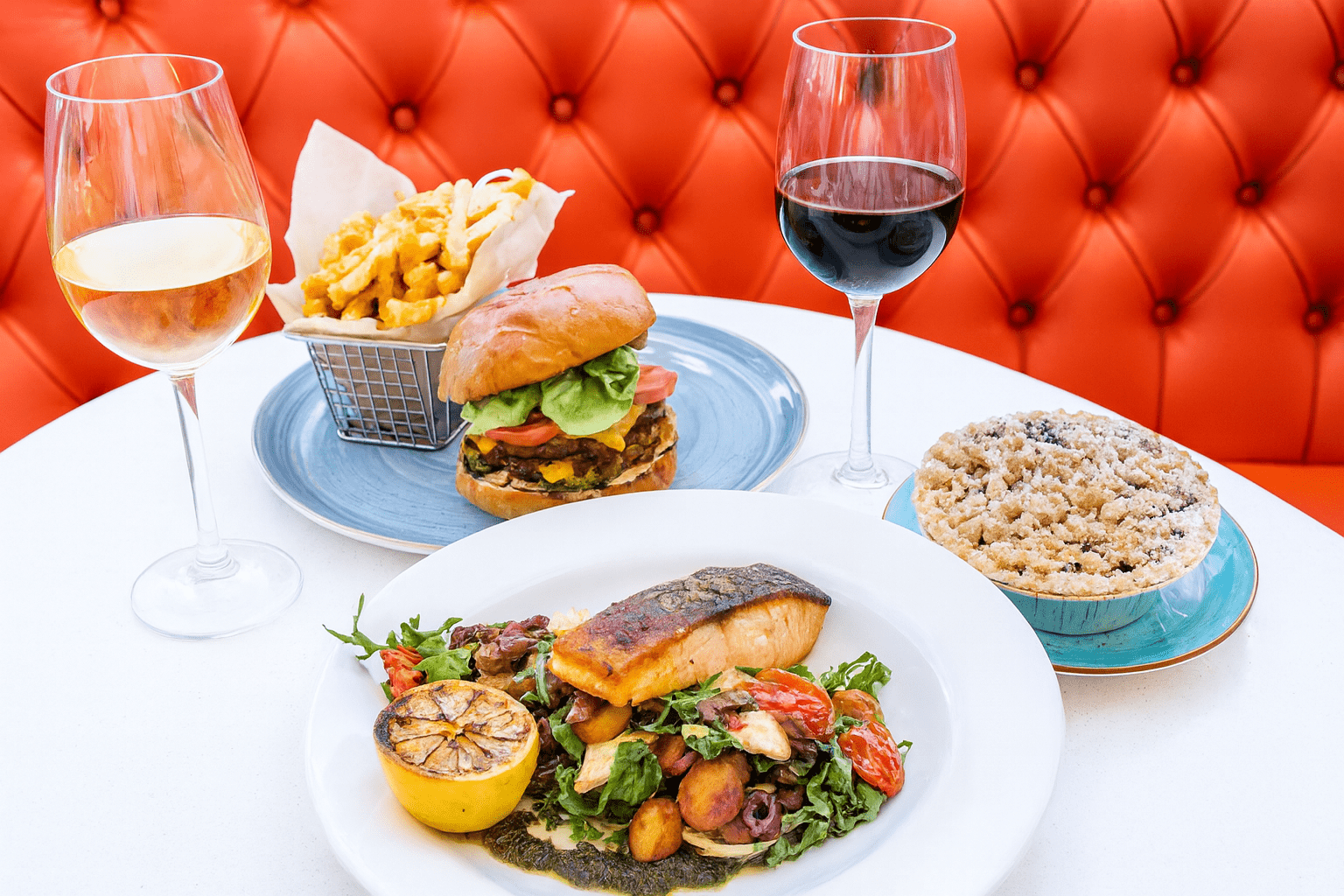
Restaurants that feature dishes like Grilled Fish Tacos, Wildflower Honey-Garlic Salmon, or Braised Short Rib show attention to flavor profiles that balance richness, texture, and presentation.
Key Benefit
Flavor tells the story of the kitchen—and your taste buds remember great stories.
Wrap-Up
You don’t just eat great flavor. You experience it. It’s why you text your friends, post on Instagram, and recommend the place before you even leave.
3. Atmosphere Creates the Vibe You Crave
Introduction
Atmosphere is the X-factor. It’s the lighting, music, energy, and design choices that either pull you into a mood—or leave you flat.
What Defines Great Atmosphere
- Interior design: Stylish without being stiff; themed without being gimmicky
- Music and sound: A playlist that complements the vibe, not competes with it
- Crowd energy: Not too quiet, not too chaotic—just lively enough
- Details that pop: Murals, lighting fixtures, or local artwork that spark conversation
Bonus
Restaurants with arcade games, lounges, or bar sections often use atmosphere to invite different experiences—all under one roof.
Key Benefit
Atmosphere creates memory. You’ll remember how you felt long after you’ve forgotten what you ordered.
Wrap-Up
Atmosphere turns dinner into an experience. It’s what makes your night feel like more than just a meal.
FAQs
1. What makes some restaurants feel more inviting than others?
It’s usually a combination of thoughtful design, friendly staff, and layout that makes people feel relaxed, not rushed. Lighting and acoustics also play a big role. Subtle hospitality cues can shift a space from “service” to “welcome.”
2. Can a restaurant be great if it’s just a hole in the wall?
Absolutely. Comfort, flavor, and vibe don’t require high-end decor. Some of the most beloved restaurants are small, modest places with huge heart—and unforgettable food.
3. How important is service in making a restaurant feel great?
It’s critical. Even with amazing food and design, bad service can sink the whole experience. Great service makes everything else shine brighter.
4. Should great restaurants update their menus often?
Ideally, yes—but only with purpose. Seasonal updates, limited-time specials, or rotating features keep things fresh while honoring crowd favorites. Consistency and innovation must coexist.
5. Is atmosphere more important than food?
It’s not a competition—they work together. A great atmosphere elevates great food, while poor ambiance can diminish it. The best restaurants master the balance.
Key Takeaways
- Great restaurants don’t rely on one trick—they blend comfort, flavor, and atmosphere into a cohesive experience
- Comfort means feeling relaxed and welcome from entrance to exit
- Flavor should excite and satisfy, leaving a lasting impression
- Atmosphere sets the tone and makes each visit feel intentional and memorable
- When all three come together, you don’t just dine—you connect, unwind, and return