
Introduction
Cocktails have been a staple of social gatherings, celebrations, and dining experiences for generations. While many people are familiar with classic drinks such as Margaritas, Old Fashioneds, Martinis, and Mojitos, the rise of craft cocktail culture has introduced a new level of creativity and sophistication to the beverage industry. As cocktail menus continue to evolve, many consumers are asking an important question: what exactly is the difference between a craft cocktail and a traditional cocktail?
The debate surrounding craft cocktails vs traditional cocktails isn’t about determining which style is better. Instead, it’s about understanding how they differ in ingredients, preparation methods, presentation, and overall drinking experience. Traditional cocktails focus on consistency and classic recipes, while craft cocktails emphasize fresh ingredients, creativity, and attention to detail.
Whether you’re ordering a signature drink during happy hour, enjoying dinner with friends, or planning a special event, understanding these differences can help you choose the cocktail experience that best matches your preferences.
TLDR Quick Guide
- Traditional cocktails focus on classic recipes and consistency.
- Craft cocktails prioritize fresh ingredients and creative preparation.
- Craft cocktails often feature house-made syrups, garnishes, and unique spirits.
- Traditional cocktails are generally faster to prepare.
- Both styles have their place depending on the occasion and personal taste.
What Is a Traditional Cocktail?
Traditional cocktails are the foundation of modern mixology. These drinks have stood the test of time and are often built around established recipes that have been enjoyed for decades.
Examples of traditional cocktails include:
- Old Fashioned
- Manhattan
- Martini
- Margarita
- Moscow Mule
- Whiskey Sour
These drinks typically follow standardized recipes, ensuring consistency no matter where they are ordered. Bartenders focus on accurately recreating the original flavor profile while maintaining efficiency during service.
Traditional cocktails are popular because they are familiar, reliable, and often showcase the core characteristics of the spirits being used.
Why Traditional Cocktails Remain Popular
One reason traditional cocktails remain so beloved is their simplicity. Most classic recipes use a limited number of ingredients, allowing the base spirit to shine.
Guests often appreciate knowing exactly what to expect when ordering a classic cocktail. Whether you’re visiting a neighborhood bar or an upscale restaurant, a well-made traditional cocktail delivers a familiar and satisfying experience.
These drinks also serve as the foundation upon which many modern craft cocktails are built.
What Is a Craft Cocktail?
Craft cocktails take mixology to the next level by emphasizing quality ingredients, creativity, and meticulous preparation. Rather than simply following a traditional recipe, bartenders often develop unique flavor combinations designed to create a memorable drinking experience.
Craft cocktails frequently incorporate:
- Fresh-squeezed juices
- House-made syrups
- Infused spirits
- Specialty bitters
- Fresh herbs
- Premium garnishes
The focus is on elevating every aspect of the drink, from flavor and aroma to presentation and texture.
Many guests exploring a restaurant’s menu are drawn to craft cocktail selections because they offer something unique and distinctive that cannot easily be replicated at home.
The Importance of Fresh Ingredients
Fresh ingredients are one of the defining characteristics of craft cocktails. Instead of relying on pre-made mixers or bottled ingredients, bartenders often prepare components in-house.
Fresh citrus juices provide brighter flavors. House-made syrups allow for greater customization. Herbs, fruits, and spices contribute depth and complexity that enhance the overall drinking experience.
This commitment to freshness often results in cocktails that feel more vibrant and balanced.
Key Differences Between Craft Cocktails and Traditional Cocktails
While both cocktail styles share common roots, several factors distinguish them from one another.
Understanding these differences helps guests appreciate the unique qualities each style brings to the table.
Ingredient Quality and Selection
Traditional cocktails often rely on proven recipes using widely available ingredients. The goal is consistency and familiarity.
Craft cocktails, on the other hand, focus heavily on ingredient quality. Bartenders may source specialty spirits, create custom syrups, or use seasonal produce to create unique flavor combinations.
This emphasis on premium ingredients often leads to more complex and nuanced drinks.
Preparation Techniques
Traditional cocktails are generally designed for efficiency and consistency. Experienced bartenders can prepare many classic cocktails quickly while maintaining quality.
Craft cocktails often require additional preparation time. Ingredients may need to be muddled, infused, smoked, clarified, or measured with greater precision.
These techniques contribute to the elevated experience that many cocktail enthusiasts seek.
Presentation and Visual Appeal
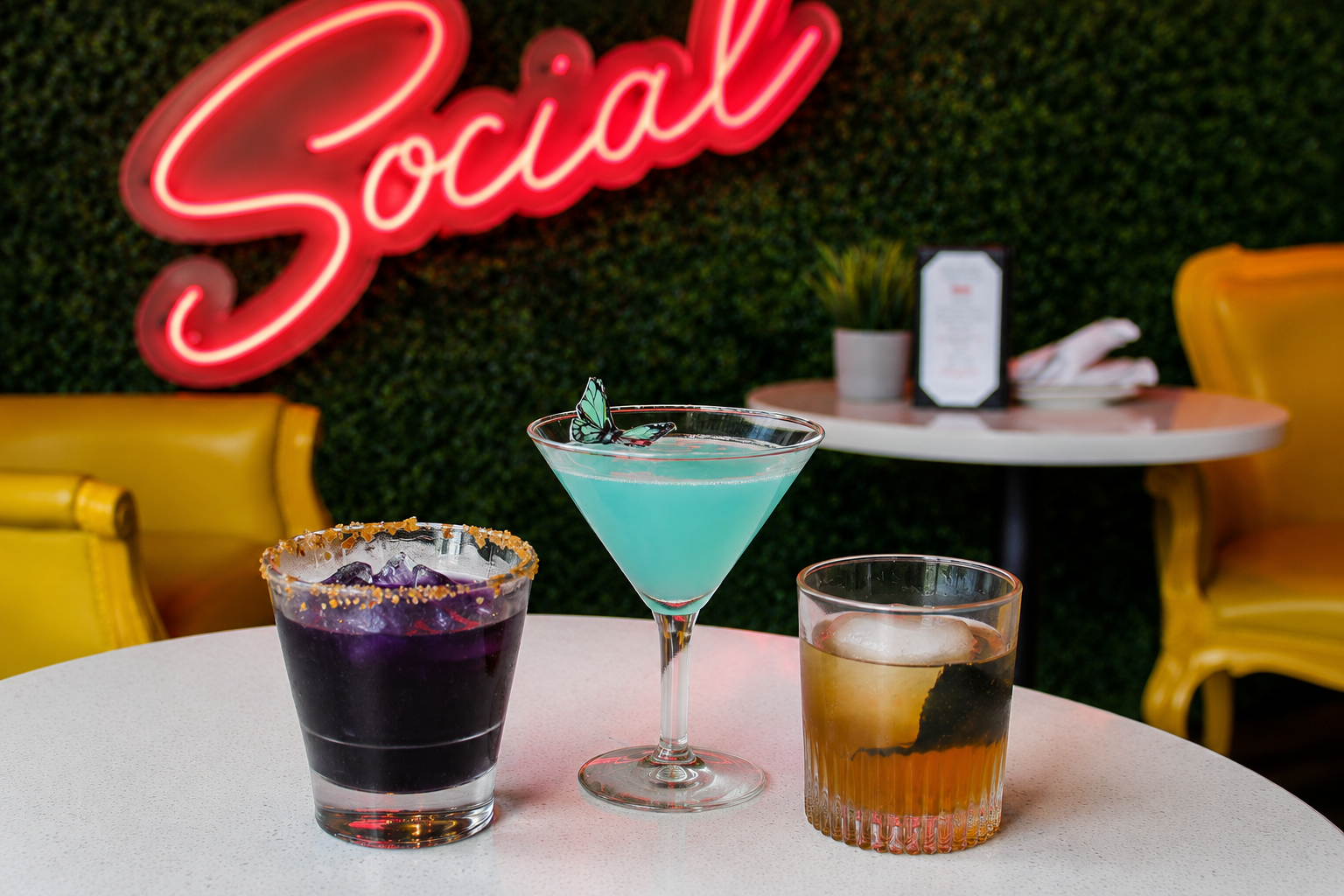
Presentation plays a significant role in craft cocktail culture. Unique glassware, artistic garnishes, and thoughtful presentation help create a memorable first impression.
Traditional cocktails typically focus more on function and classic aesthetics. While they can still be visually appealing, their presentation tends to be more understated.
Craft cocktails often turn the drink itself into part of the entertainment and overall dining experience.
When Should You Choose a Craft Cocktail?
Craft cocktails are ideal when you’re looking for something memorable, unique, or celebratory. They work especially well during date nights, social gatherings, happy hours, and special occasions.
Guests visiting venues like Pacific Social often enjoy exploring signature cocktail offerings because they provide an opportunity to try creative flavor combinations that go beyond traditional recipes.
Craft cocktails can also serve as conversation starters and elevate the overall dining experience.
Craft Cocktails and Social Experiences
Today’s dining culture is increasingly focused on experiences rather than simply consuming food and drinks. Craft cocktails fit perfectly into this trend because they combine flavor, presentation, and creativity.
Many guests enjoy pairing craft cocktails with social activities, group outings, and entertainment experiences. After enjoying a handcrafted drink, groups often continue the fun by exploring attractions like the arcade, creating a more interactive and memorable evening.
This combination of food, beverages, and entertainment contributes to a complete social experience.
Why Traditional Cocktails Still Matter
Despite the growth of craft cocktail culture, traditional cocktails continue to hold an important place in the beverage world.
Classic recipes have survived for decades because they are balanced, approachable, and timeless. They offer a sense of familiarity that many guests appreciate.
Traditional cocktails also provide a benchmark for evaluating bartender skill and understanding the foundations of mixology.
Finding the Right Cocktail for the Occasion
The choice between craft cocktails and traditional cocktails often depends on the setting and your goals for the evening.
If you’re looking for familiarity and simplicity, a traditional cocktail may be the perfect choice. If you’re interested in exploring new flavors and creative presentations, a craft cocktail can provide a more adventurous experience.
Both styles offer unique benefits, making them valuable parts of any cocktail menu.
Key Takeaways
- The debate around craft cocktails vs traditional cocktails centers on preparation, ingredients, and presentation.
- Traditional cocktails focus on consistency, simplicity, and classic recipes.
- Craft cocktails emphasize creativity, premium ingredients, and unique flavor combinations.
- Fresh ingredients are a defining feature of craft cocktail culture.
- Both styles provide enjoyable experiences depending on the occasion and personal preference.
Frequently Asked Questions
What is the main difference between craft cocktails and traditional cocktails?
Traditional cocktails follow classic recipes that prioritize consistency and familiarity. Craft cocktails focus on creativity, premium ingredients, and unique preparation techniques. The overall experience is often more personalized and innovative.
Are craft cocktails stronger than traditional cocktails?
Not necessarily. Alcohol content depends on the specific recipe rather than whether a drink is classified as craft or traditional. Many craft cocktails prioritize flavor balance rather than strength.
Why do craft cocktails cost more?
Craft cocktails often use premium spirits, fresh ingredients, and house-made components. They also require additional preparation time and specialized techniques. These factors contribute to higher production costs and pricing.
Are traditional cocktails still popular?
Yes, traditional cocktails remain extremely popular across bars and restaurants worldwide. Their familiar flavor profiles and timeless appeal continue to attract guests. Many classic cocktails have remained favorites for generations.
Which is better: craft cocktails or traditional cocktails?
Neither style is inherently better than the other. The best choice depends on personal preferences, the occasion, and the type of experience you’re seeking. Both offer unique advantages and can be equally enjoyable.