
Introduction
A great meal becomes even more memorable when paired with the right wine. While many diners focus primarily on selecting an entrée, the wine chosen alongside it can significantly influence the flavors, aromas, and overall dining experience. Understanding the basics of wine and food pairing can help you make more confident decisions the next time you dine out.
Wine pairing is not about following strict rules. Instead, it is about creating balance between the characteristics of the food and the wine. The right pairing can highlight subtle flavors, soften bold ingredients, and create a more enjoyable experience from the first bite to the final sip.
Whether you’re ordering a steak, seafood dish, pasta, or shareable appetizers, knowing a few simple wine pairing principles can help you get more from your meal and discover new flavor combinations along the way.
TLDR Quick Guide
- Match lighter wines with lighter dishes.
- Pair bold wines with rich, flavorful foods.
- Consider sauces and seasonings, not just the protein.
- Balance sweetness, acidity, and tannins.
- Don’t be afraid to experiment with new combinations.
Understanding the Basics of Wine and Food Pairing
Successful wine pairing starts with understanding how flavors interact. The goal is to create harmony between the wine and the food so neither one overwhelms the other.
Every wine has its own unique characteristics, including sweetness, acidity, tannin levels, body, and fruit notes. Likewise, every dish contains different flavor components such as richness, spice, saltiness, sweetness, and texture.
When these elements work together, the dining experience becomes more balanced and enjoyable. A thoughtful pairing can bring out flavors in both the food and wine that might otherwise go unnoticed.
Why Balance Matters
One of the most important principles in wine pairing is balance. A delicate white wine can easily be overshadowed by a rich steak, while a bold red wine may overpower a light seafood dish.
The goal is to match the intensity of the wine with the intensity of the food. When both have similar weight and flavor strength, they complement one another naturally.
Balance allows each component of the meal to shine without competing for attention.
Pairing White Wines with Popular Restaurant Dishes
White wines are often appreciated for their refreshing qualities, bright acidity, and versatility. They pair well with a wide range of dishes, particularly those featuring seafood, poultry, vegetables, and lighter sauces.
Chardonnay, Sauvignon Blanc, Pinot Grigio, and Riesling are among the most commonly ordered white wines in restaurants. Each offers distinct characteristics that work well with different menu items.
The right white wine can enhance freshness and add complexity to lighter dishes.
Best Foods for White Wine Pairings
Seafood dishes often pair beautifully with crisp white wines because the acidity helps highlight delicate flavors. Grilled fish, shrimp, oysters, and seafood pasta frequently benefit from these pairings.
Chicken dishes with lemon-based sauces also work exceptionally well with white wines. Fresh salads, roasted vegetables, and lighter appetizers are additional examples of foods that complement white wine selections.
Guests exploring a restaurant’s menu can often find multiple dishes that pair naturally with refreshing white wines.
Pairing Red Wines with Rich and Savory Foods
Red wines are typically fuller-bodied and contain higher tannin levels than white wines. These characteristics make them excellent companions for richer foods.
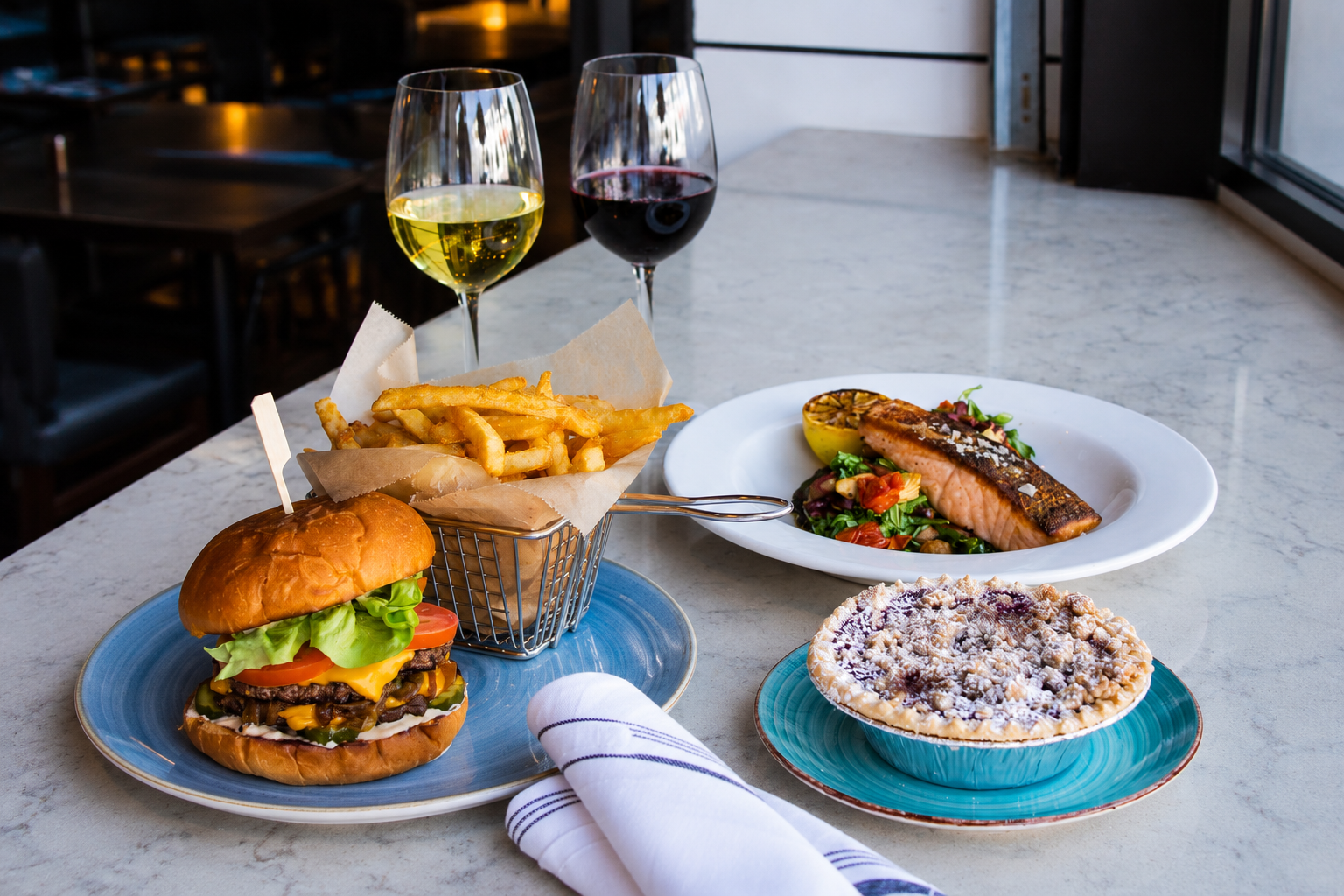
Cabernet Sauvignon, Merlot, Pinot Noir, and Malbec are among the most popular red wine varieties. Their bold flavors pair especially well with grilled meats, burgers, barbecue, and hearty comfort foods.
The tannins found in red wine help cut through richness and create balance with savory dishes.
Matching Wine with Protein and Preparation
While many people associate red wine with steak, preparation methods are equally important. A grilled steak may pair differently than a braised short rib or smoked brisket.
The sauce often plays a larger role in pairing than the protein itself. Rich barbecue sauces, peppercorn reductions, and mushroom-based sauces can significantly influence which wine works best.
Considering both the cooking method and flavor profile helps create more successful pairings.
How Acidity and Sweetness Affect Pairings
Acidity is one of the most important components in wine pairing. Wines with higher acidity often feel refreshing and help cleanse the palate between bites.
Sweetness also plays a significant role, particularly when pairing wine with spicy foods. Slightly sweet wines can help balance heat while creating a smoother overall experience.
Understanding these characteristics helps diners move beyond basic red-versus-white pairing rules.
Pairing Wine with Appetizers and Shared Plates
Many restaurant visits begin with appetizers or shareable dishes. These foods often feature a variety of flavors that can make wine pairing more interesting.
Cheese boards, charcuterie, pretzels, flatbreads, and small plates often pair well with versatile wines that offer balanced acidity and moderate body. Lighter wines tend to work well when multiple flavors are present.
Because appetizers are designed for sharing, they also create opportunities to sample different wine pairings throughout the meal.
Wine Pairing Enhances Social Dining
Wine has long been associated with social gatherings, celebrations, and memorable meals. Sharing a bottle of wine encourages conversation and helps create a more relaxed dining atmosphere.
Many guests enjoy discussing flavor notes, pairing recommendations, and favorite wines while dining with friends or family. These conversations often become part of the overall experience.
At venues like Pacific Social, wine selections contribute to a dining experience that emphasizes connection, conversation, and shared enjoyment.
Wine and Special Occasions
Wine pairing becomes especially important during celebrations, corporate gatherings, and private events. Carefully selected wines can elevate the meal and create a more memorable experience for guests.
For larger gatherings, restaurants often provide pairing recommendations that complement group menus and shared dining experiences. This helps simplify decision-making while ensuring guests enjoy balanced combinations.
Hosts planning private events often use wine pairings to create a more refined and enjoyable experience for attendees.
Common Wine Pairing Mistakes to Avoid
Many diners believe wine pairing requires extensive knowledge, but avoiding a few common mistakes can dramatically improve the experience.
One mistake is focusing only on the protein while ignoring sauces and seasonings. Another is choosing a wine solely based on personal preference without considering the dish being served.
Keeping an open mind and experimenting with different pairings often leads to the most enjoyable discoveries.
Trust Your Personal Preferences
While pairing guidelines are helpful, personal taste remains the most important factor. Not every pairing recommendation will appeal to every diner.
The best wine pairing is ultimately the one you enjoy most. Using basic principles as a starting point allows you to explore new combinations while still trusting your own palate.
Dining should be enjoyable, and wine pairing should enhance that experience rather than complicate it.
Key Takeaways
- Successful wine and food pairing focuses on balance and complementary flavors.
- Match lighter wines with lighter dishes and bolder wines with richer foods.
- Consider sauces, seasonings, and preparation methods when selecting wine.
- Acidity and sweetness can significantly influence pairing success.
- Personal preference remains one of the most important factors in choosing wine.
Frequently Asked Questions
What is the basic rule of wine and food pairing?
The most common guideline is to match the intensity of the wine with the intensity of the food. Light dishes generally pair better with lighter wines, while richer foods work well with fuller-bodied wines. This helps create balance throughout the meal.
Does red wine always pair with red meat?
Not always. While red wine often complements red meat, preparation methods and sauces can influence the best pairing choice. Some lighter red wines may pair well with poultry or seafood dishes depending on the recipe.
Why is acidity important in wine pairing?
Acidity helps cleanse the palate and refresh the mouth between bites. Wines with higher acidity often pair well with rich or fatty foods because they create balance. This characteristic can make meals feel more vibrant and enjoyable.
Can white wine pair with steak?
Yes, depending on how the steak is prepared. Certain white wines with fuller body and oak influence can complement grilled or lighter steak preparations. Pairing success depends on the overall flavor profile of the dish.
Should I follow wine pairing rules exactly?
Wine pairing guidelines are helpful, but they are not strict rules. Personal taste and enjoyment should always play a role in your selection. Experimenting with different combinations is often the best way to discover new favorites.